Databricks
Modernize your data platform with Spark, Delta Lake, and a governed lakehouse
AcquityNode helps teams implement and optimize Databricks on Azure, AWS, or GCP with a focus on governance, streaming, ML pipelines, and performance tuning.
The lakehouse should improve clarity, not just consolidate tools
We design Databricks implementations to reduce duplication, increase trust in the data, and create delivery patterns that work for BI, ML, and streaming use cases.
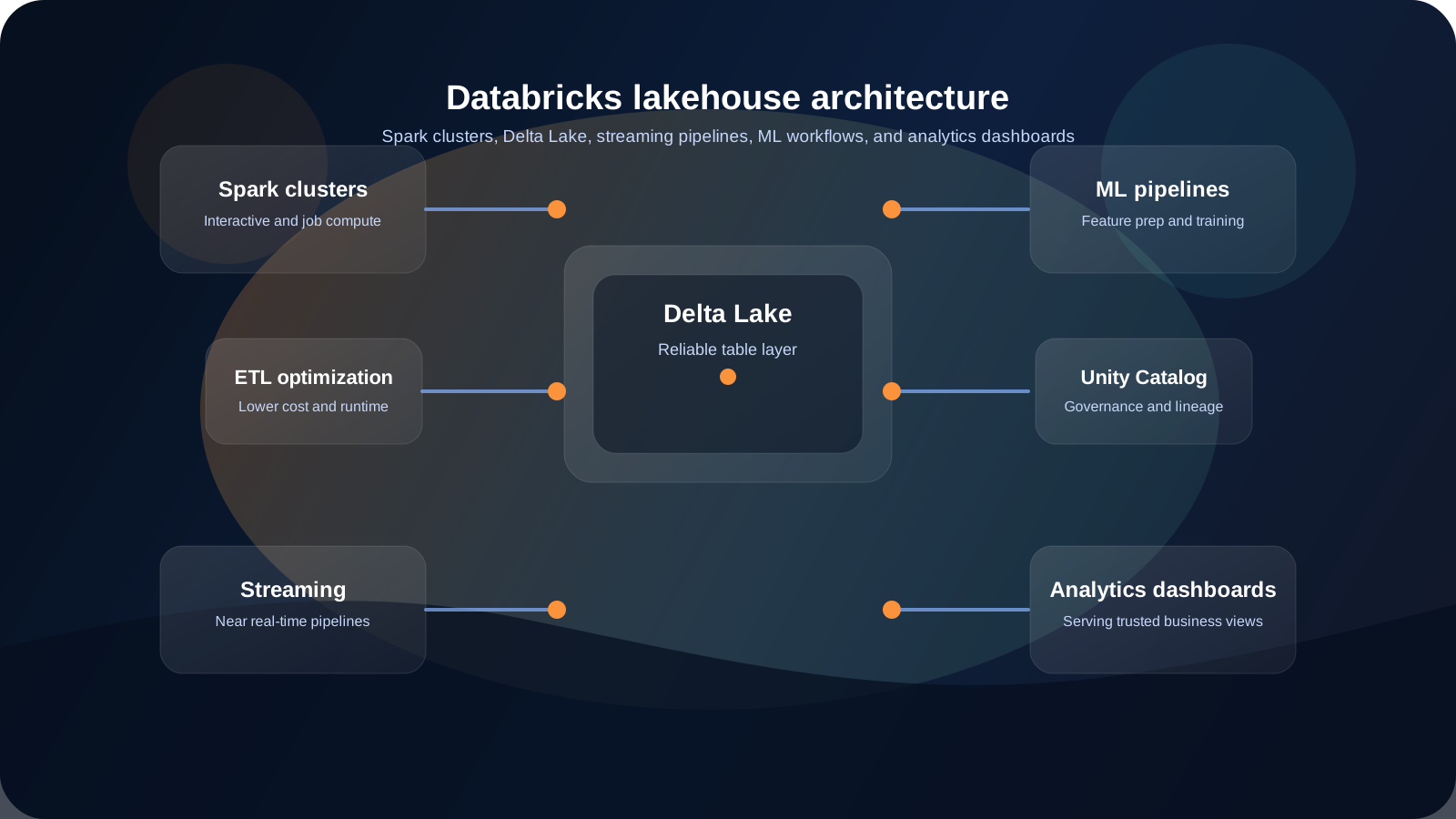
The Databricks capabilities that matter most in a consulting engagement
These are the pieces that usually determine whether the lakehouse becomes manageable and fast, or just technically central.
Spark engineering
Shape Spark jobs, notebooks, and orchestration patterns so batch and interactive workloads remain maintainable.
Delta Lake design
Build reliable table structures and data quality patterns that support governed lakehouse delivery.
ETL optimization
Refactor slow or brittle ETL workloads into better-structured Databricks jobs and pipelines.
Streaming pipelines
Design low-latency ingestion and event processing for use cases that need near real-time outputs.
ML pipelines
Connect feature preparation, training, evaluation, and deployment into an operational workflow.
Unity Catalog governance
Centralize access control, lineage, and discovery so the lakehouse stays understandable as it scales.
A migration sequence that keeps validation, performance, and governance in view
01
Inventory legacy jobs, pipeline dependencies, SLA requirements, and downstream consumers.
02
Define the data lakehouse architecture, zone strategy, and governance model around business domains.
03
Migrate ETL, streaming, and ML workflows in controlled waves with reconciliation and performance baselines.
04
Tune runtime, file layout, cluster settings, and operating practices after cutover to improve performance and cost.
What a successful Databricks engagement should leave behind
The target state is a governed lakehouse with clearer ownership, better runtime performance, and a platform ready for BI, streaming, and ML workloads.
Talk through your Databricks migration
If you are planning a migration or lakehouse refresh, we can help you shape the architecture, streaming patterns, and cutover plan.
Calendly not configured
Add your Calendly URL to enable direct booking
Set NEXT_PUBLIC_CALENDLY_URL to your booking link, then this section will render the live scheduler.
What to expect
- Project goals, timeline, and stakeholders.
- Current architecture or process blockers.
- Whether Microsoft Fabric, Databricks, Azure, AWS, or AI is the right starting point.
- Next-step options: quick consult, proposal, or capability review.