Case studies

Examples of how we approach modernization work

These examples show the type of problem, delivery approach, and business outcome we aim for in Microsoft Fabric, Databricks, Azure, and AI engagements.

Selected work

Three representative engagement stories

Each story starts with a business problem, then shows the implementation shape and the outcome the client should expect.

01 / Financial Services

Microsoft Fabric for finance reporting modernization

A finance team needed one governed reporting layer instead of multiple datasets, spreadsheets, and duplicated Power BI logic.

Approach

We organized the data estate by business domain, rebuilt pipelines and semantic models in Fabric, and aligned security and deployment practices around a single source of truth.

Expected outcomes

  • A single reporting layer with clearer ownership
  • Fewer duplicate datasets and manual reconciliation steps
  • A roadmap for broader analytics standardization
Microsoft FabricPower BIData Engineering
02 / Operations and Analytics

Databricks lakehouse migration for cross-cloud analytics

Legacy ETL jobs, warehouse scripts, and brittle file transfers were slowing down analytics refreshes and making governance difficult.

Approach

We designed a governed lakehouse, migrated pipelines in waves, introduced validation checkpoints, and standardized Unity Catalog-style access patterns.

Expected outcomes

  • More predictable delivery windows for downstream teams
  • Improved lineage, governance, and auditability
  • A platform ready for BI, ML, and GenAI expansion
DatabricksLakehouse ArchitectureCloud Modernization

03 / Public Sector

Azure AI and cloud modernization for a public sector team

The organization needed a more secure platform for document-heavy workflows, internal knowledge access, and cloud operations.

Approach

We updated the cloud landing zone, improved identity and monitoring controls, and scoped a secure AI workflow that could be evaluated before scaling.

Expected outcomes

  • Clearer security and operating controls
  • A bounded AI use case with measurable value
  • A more actionable modernization roadmap
AzureAI EnablementCloud Infrastructure

What the examples show

These are delivery patterns, not isolated slides

The point is to show how AcquityNode frames scope, sequencing, validation, and handoff across different platforms and operating contexts.

Define scope first
Validate continuously
Hand off cleanly
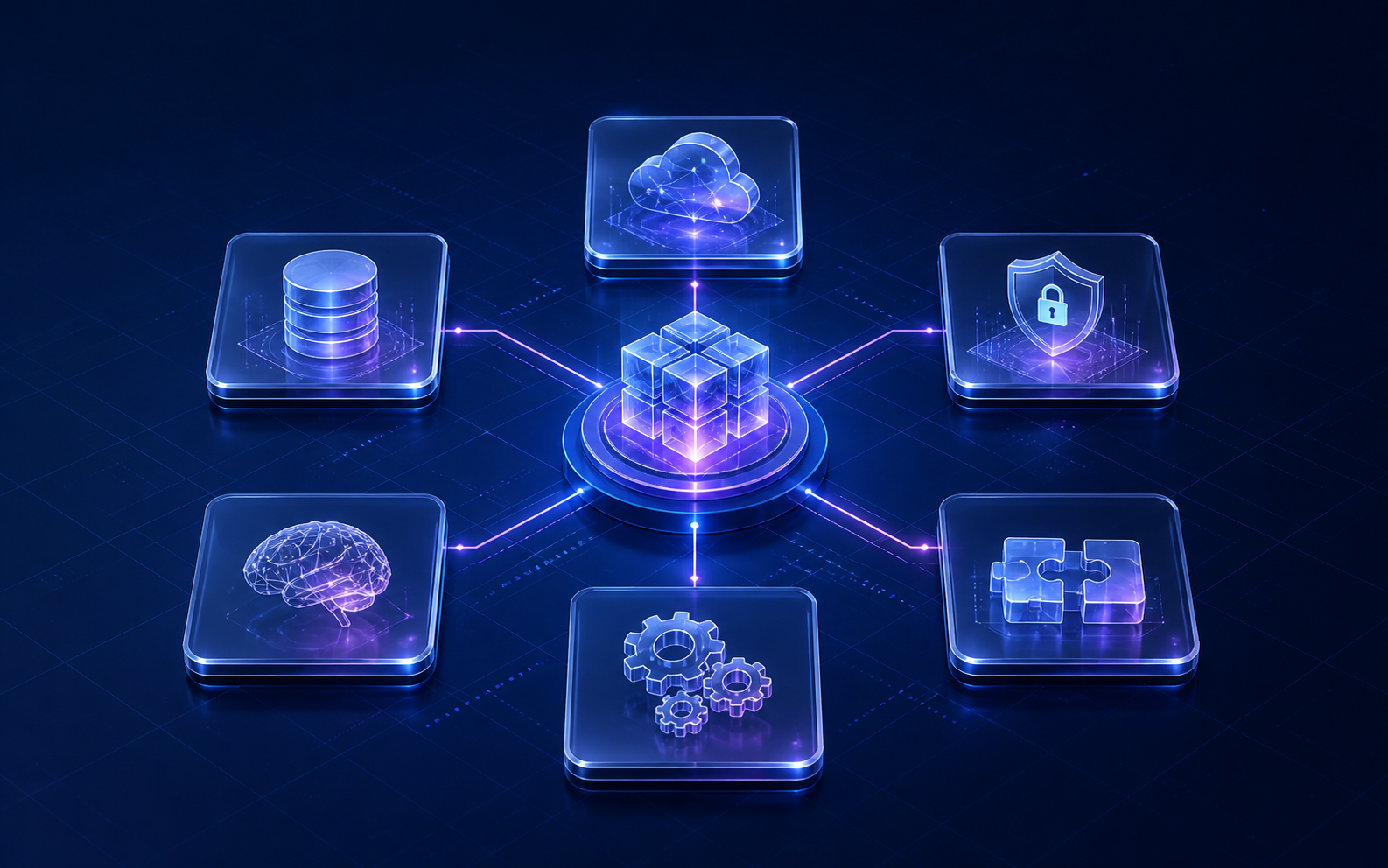
AI generated enterprise proof and architecture visual

Discovery to delivery

Governed transformation roadmaps

Executive-ready outcomes

Lead generation

Need a tailored example for your industry or platform?

We can talk through the right operating model for Microsoft Fabric, Databricks, Azure, AWS, or AI modernization and map it to your current constraints.

Calendly booking

Book a strategy call

Use Calendly to pick a time that works, or reach out directly if you need a scoped conversation first.

Calendly not configured

Add your Calendly URL to enable direct booking

Set NEXT_PUBLIC_CALENDLY_URL to your booking link, then this section will render the live scheduler.

What to expect

  • Project goals, timeline, and stakeholders.
  • Current architecture or process blockers.
  • Whether Microsoft Fabric, Databricks, Azure, AWS, or AI is the right starting point.
  • Next-step options: quick consult, proposal, or capability review.
Talk to an Architect